
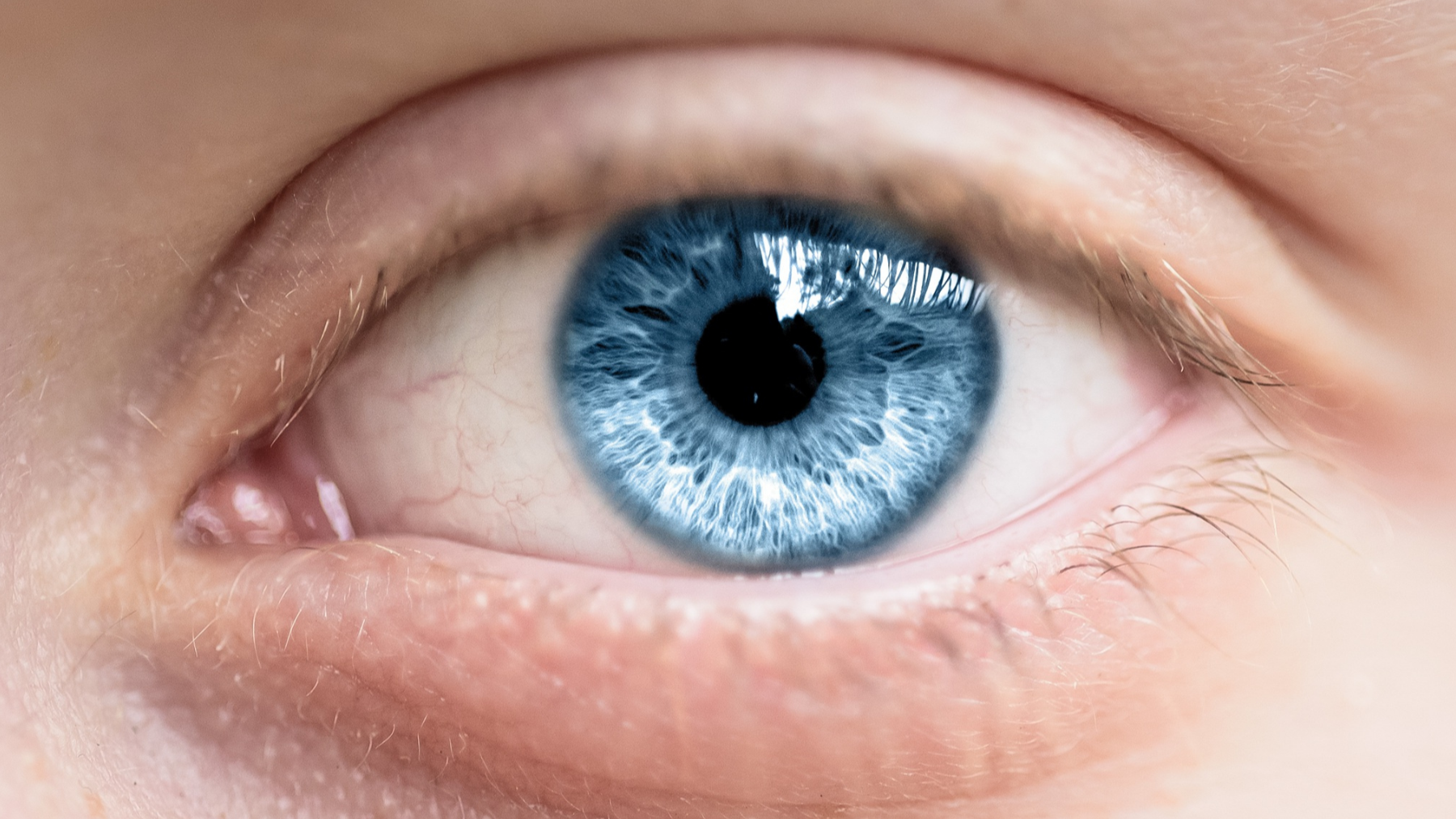
Iris Constitutions
The Basics
Your iris is totally unique to you and is a serendipity of all you have inherited including your strengths, weaknesses and predispositions to certain conditions.
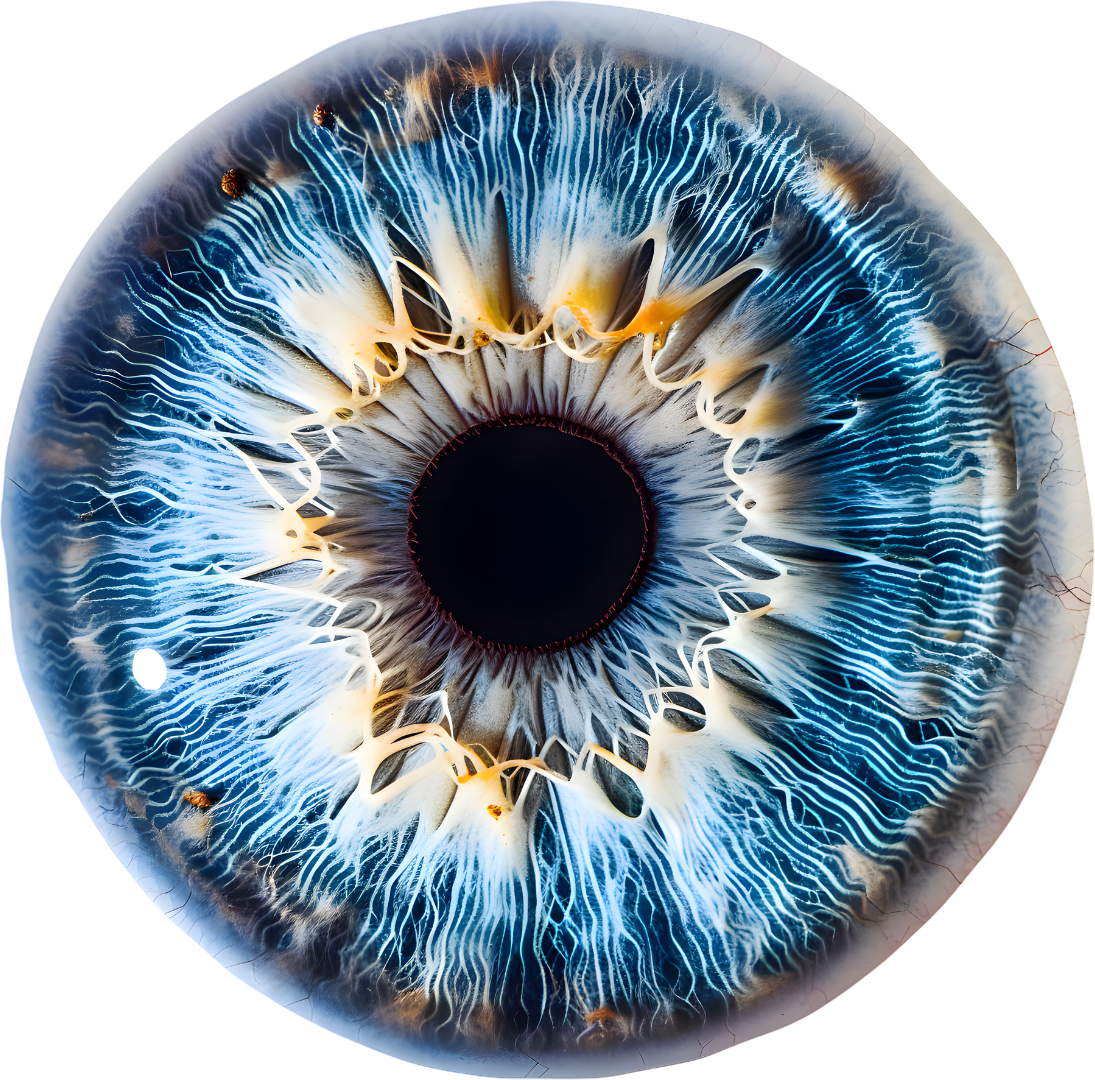
Eyes are categorised into one of three primary iris colour groups and each iris is made of tiny fibres which respond to light in their own unique way and an iridologist can determine your physical resilience or vitality by assessing the structure and markings that make you who you are.
Rings
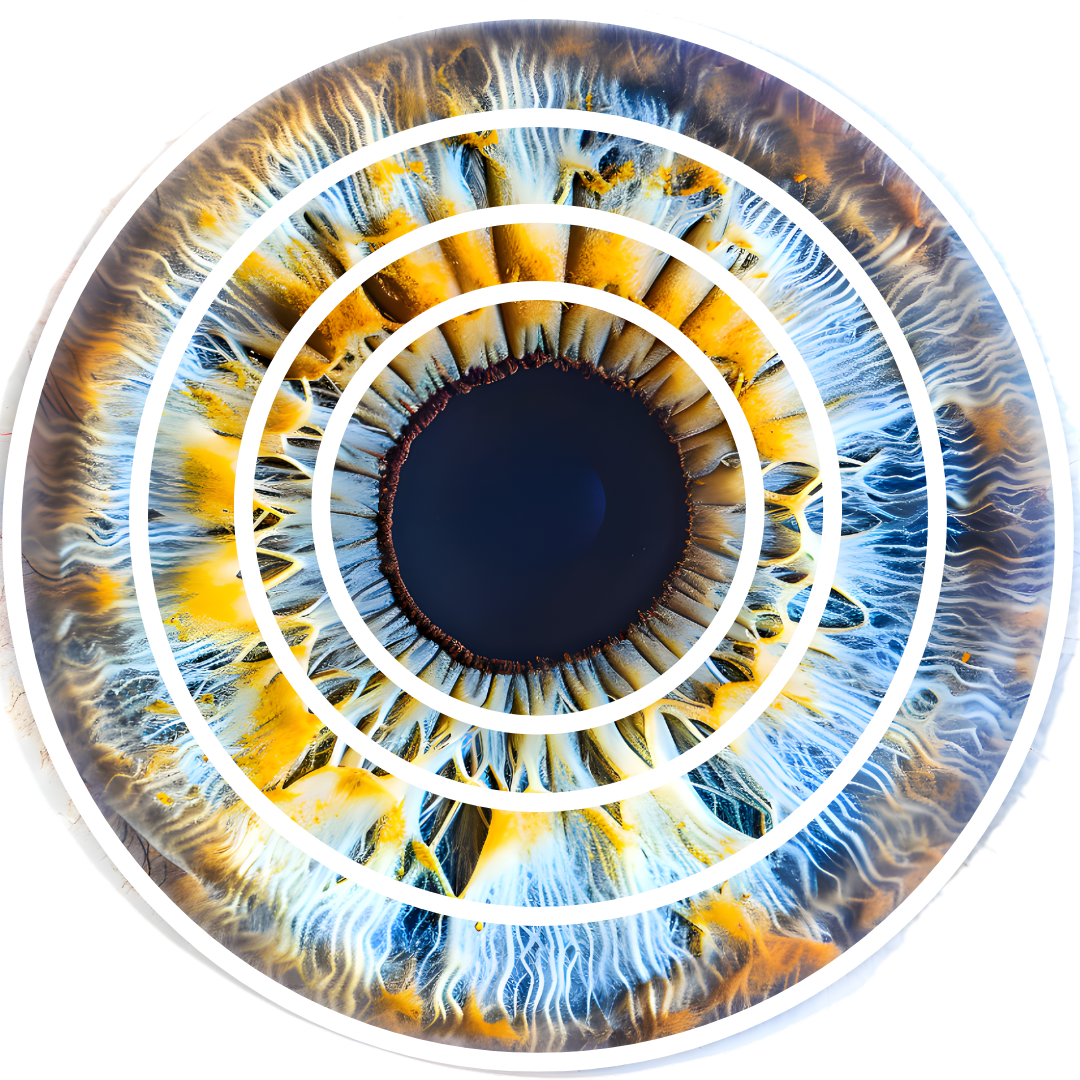
Arcus sinilus, Scurf Rim, Ring of Rosary, and Nerve Rings are some of the few markings that make you the special person you are and give the iridologist an insight into your physical and emotional strengths, as well as behaviours. This allows them to give appropriate and personalised advice that is just right for your individuality.
Specific Markings
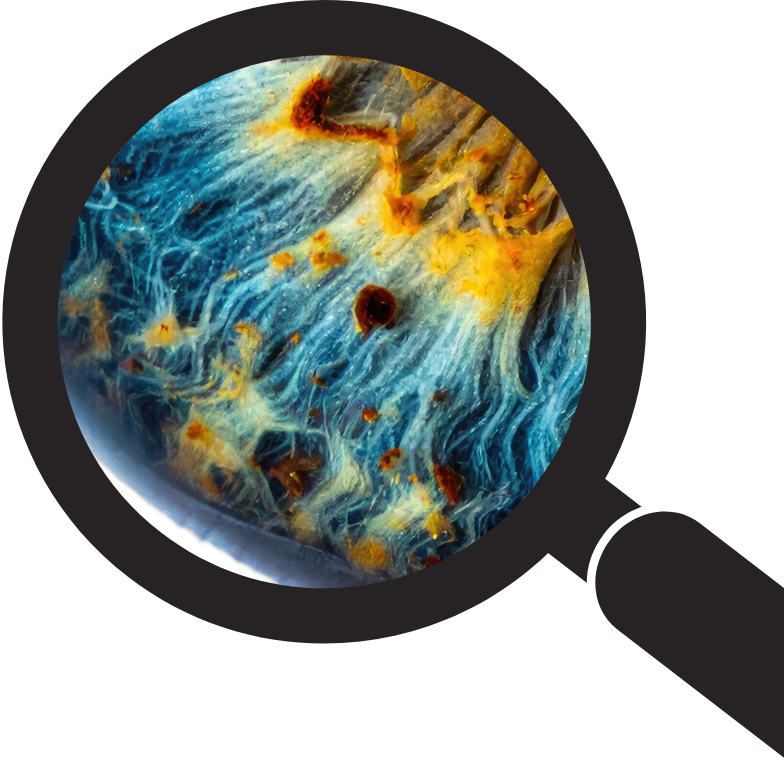
Contraction furrows, lacuna, transversal, or arcus, are all terms used for the specific markings that may (or may not) be found in your iris. Each one means something different to you depending on where they are placed (within the iris itself), how significant the marking is and the colour that is presented in the marking.
Your iridologist can assess and determine the meaning of each marking and be able to guide you to supportive measures if any are needed.
Markings Outside the Iris
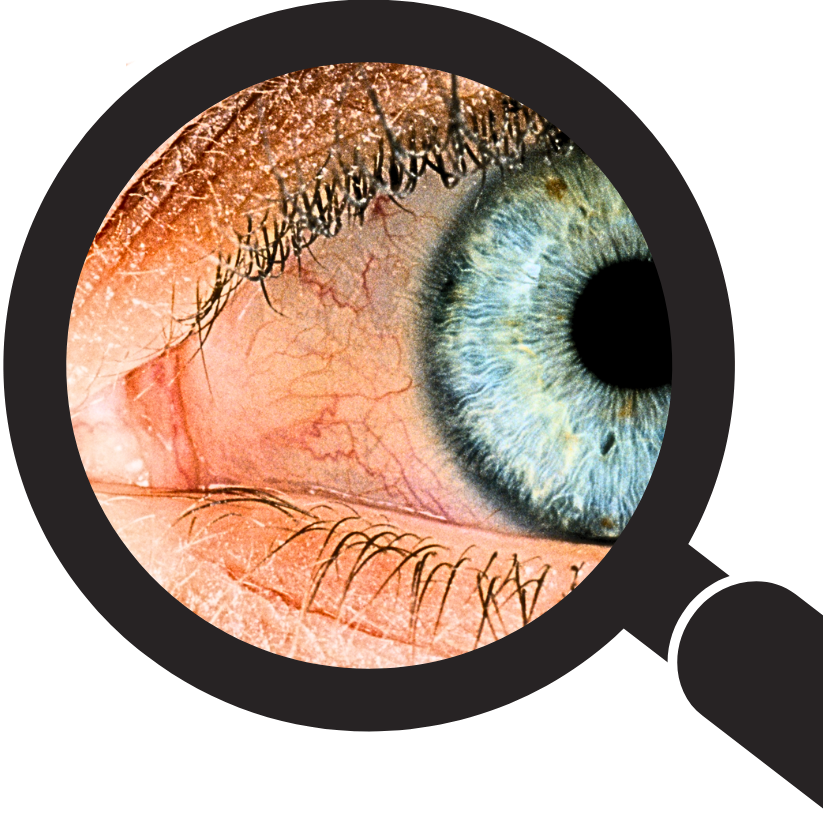
An iridology practitioner is trained to check the sclera (the white portion of your eye) as well as assess the iris and the two make a wonderful partnership in the context of the whole eye. The sclera pertains particularly to the circulatory system and is one of the most reactive parts of the eye, being subject to rapid change more so than any other part.